Gaining Strength

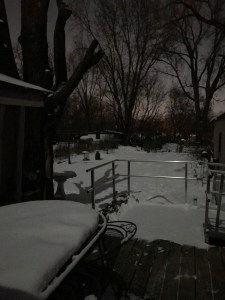
Icy View

For Lizzie

Super Bowl LII

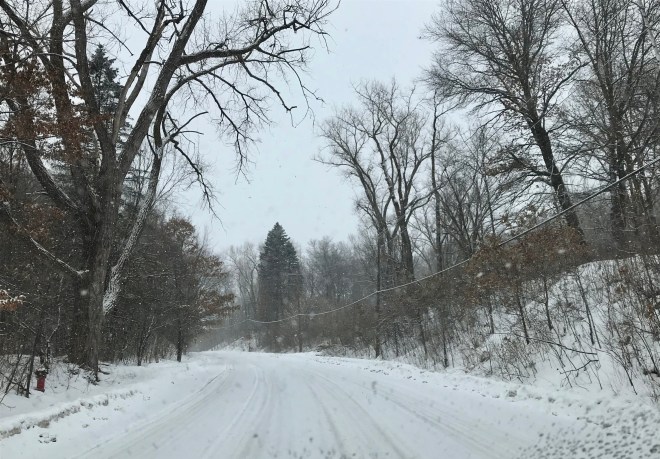
As winter drags on, I am thankful for bright, sunny days. Sitting in the sun, indoors, one can pretend for a moment that it is not utterly frigid outside, despite the fact that everything is white and icicles hang from the roof line, like perilous, transparent daggers.

Once again, many Minnesota style winter events have come to pass, and I have neglected to participate. Perhaps I am not a true Minnesotan after-all, but merely a 1980’s transplant. Yet, it was apparent that Minneapolis and neighboring capital city, Saint Paul, put on a great show for the LII Super Bowl, with people from around the country coming to witness and marvel at such things as snowmobile jumps in the heart of the city; ice castles colorfully lit at night, with daytime flash-mob performances; hardy performers lining Nicollet Mall and putting on a show like-as-if air temps were in the above-freezing zone.

The game itself was fun to watch, as the score was relatively close throughout. In the end, apparently the underdog won. A lot of hoopla was built around the Justin Timberlake half-time. It didn’t mean much to me, but I watched, and found myself most impressed by the rest of the show, which was made up of young, local, high school and college performers. It was a colorful, festive performance, worthy of some civic pride.

I don’t normally pay much attention, but after all the time, money and commotion put into preparing for this thing, I thought it worth tuning into, if only from a safe distance. National newspaper articles in the days immediately following the event, indicated that visitors to “the Twin Cities” generally felt that this was a hospitable place to visit, with lots of “nice” people, even in the midst of the coldest days of winter.
Uphill Slide

Xperience

Just as the annual calendar pages turned, I signed up to join a gym, something I’ve only done a couple of other times in my life. Results on all previous occasions were essentially, non-existant. The Hubster and I took a little tour of the gym his sister had recommended, and we found it to be quite impressive. With two good-size strength-building areas; a wide variety and number of steppers, gliders, treaders, cycles, and rowing machines; a good-size swimming pool & sauna; a large sweat-it-out, and smaller stretch-it-out, and burn-it-off classrooms; and large, clean dressing and shower rooms, it was an easy sell. With the monthly fee priced right and a sign-up-special, we jumped on it.

Sister-in-law’s advice was to watch out for all the extras that the gym would offer. Sure enough, we were immediately offered a full year package of personal trainer sessions at the kind of price we normally pay for a “new” car. Hubster walked away, but I continued to entertain the notion of having a personal trainer to help me get the most out of my new membership.

I wanted to utilize as much of the equipment and opportunities available, but when looking around, I realized I was quite daunted by the idea of walking in and actually making use of anything there.  The folks at the front of the gym, the ones there to make and complete the sales, continued to work with my vibrant, upbeat intake coordinator. She came back with an offer of twelve sessions for six weeks.


Now the reason I even started down this path, is because of how weak I felt I’d become and how many hip problems I’d had in recent years. Since my great desire is to grow much of my own produce, and since I’ve come to recognize the amount of strength and stamina that is required to be an effective and productive urban farmer, it was clear that some work needed to be done on my own infrastructure in order to perform well throughout an entire growing season.

That was the reason for seeking out a compatible gym. The reason I agreed to pay for six weeks of coaching, aside from the points mentioned earlier, is that after the upheaval of the previous five years,  I felt deserving of some good self-care and upkeep. What a treat! I ended up working with a lovely young woman who was new to Xperience Fitness, after transferring from a much larger franchise. (Xperience Fitness is based in Wisconsin and only has a few gyms in Minnesota.)

She measured me, assessed me, got me started on free-weights and some of the cardio equipment. She checked the results of my workouts by way of the electronic monitor and   checked my daily food logs. She suggested ways to change my caloric intake without compromising my nutrition or causing food sensitivity issues. She sent me texts of motivation and encouragement. She laughed whenever she reminded me that I’d originally thought of putting off coaching until March. “Look how much stronger you are already!” And then she convinced me to participate in the “February Challenge”.

A bit more money and one more month of coaching, the goal being to pump up the weight loss effort. Top winners receive significant cash prizes. At the rate I’m going, I’ll be surprised if I make back the participation fee. I just can’t seem to get myself to give up calories below about the 1700 mark. I love my Carbs!
Sun Oven

Sun Oven

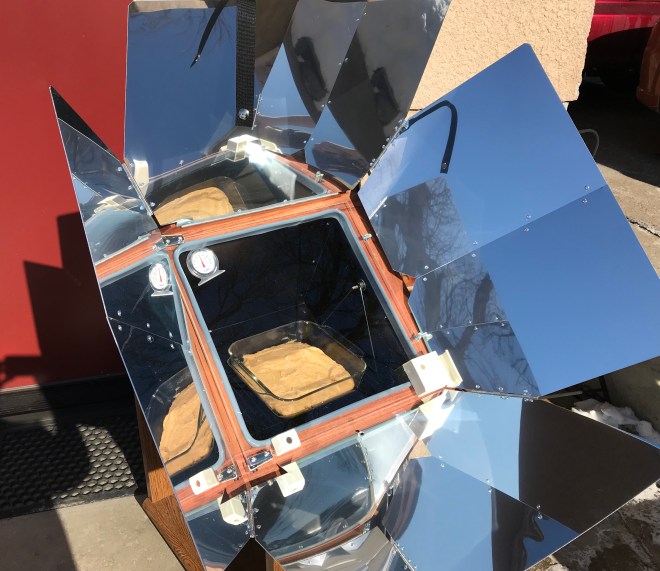
I’ve been looking at the Sun Oven for several years. Intrigued by the idea of cooking solely with the power of the sun, I have been aware that a solar oven can be a DIY (Do It Yourself, for the uninitiated) project, but also know myself well enough to be aware that such a project would likely take me at least twenty years to complete. So when I saw that Sun Ovens were having a significant sale on their product, along with a nice selection of accessories, again, I jumped.

The oven arrived this past week. It took a couple of days to get it unpacked, cleaned and ready to “fire up”. Today was a nice sunny day, perfect for cooking in the solar oven. I looked in my stash of sample emergency food kits to see what might do well in the short time-span the winter sun provides in the north. Gluten Free Sweet Potato Brownies. Perfect for my state of being today; the desire to throw off the shackles and eat everything and anything with abandon, most especially carbs.

First I moved the Sun Oven outdoors and positioned it to preheat to the desired 325 degrees F. Then I mixed the package of dry ingredients as directed, with the slight alteration of replacing some of the 1/2 cup of butter with some sunflower oil and also some flax seed. (Ground flax can be used as a healthy replacement for both oil and eggs. – 3 Tbsp Flax = 1 Tbsp oil; 1 Tbsp Flax + 3 Tbsp Water = 1 egg, let the flax and water set for a short bit.) The mixture went into a clear glass baking dish and then out to the Solar Oven.

To my surprise, the thermometer registered darn close to 325 degrees. I opened the glass door and placed the pan on the swinging rack. The oven gets adjusted up or down at the back to meet the angle of the sun. As the sun is so low this time of year, the back has to be raised almost to its limit to be at the right angle to capture maximum sun exposure. The swinging rack adjusts to remain level at any angle.

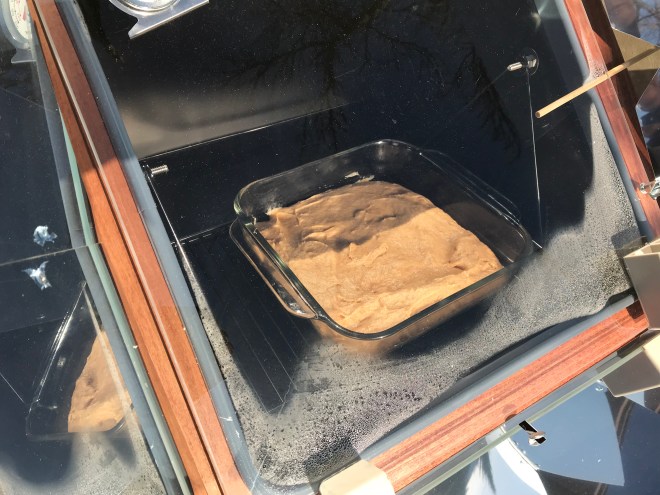
The brownie (they were more like blondies than brownies) recipe called for about half an hour of baking at 325 degrees. The Sun Oven requires shifting about every 30 minutes for optimum cooking. The first time I went out to check on the blond brownies, it turned out that the glass had steamed up. This of course, decreases cooking efficiency and so I had to open the glass and wipe off the moisture. Apparently, every time you open the glass cover, it’s necessary to add another 15 minutes to cooking time.
Steamy Window

As the baking time started at the end of prime cooking time, 10 a.m. to 2 p.m., the sun started to slip lower in the sky and the temperature in the box kept slipping lower and lower. It was necessary to wipe the moisture off of the glass several more times. It did not look like anything was changing. No rising. No color change. But I did notice the sweet aroma of baking goodies before even opening the glass door, so it seemed at the very least, the batter was heating up.

Two hours after placing the pan in the oven, the temperature inside had fallen to 200 degrees. I decided it was time to call it quits and pulled everything back into the house. The glass pan was hot and sticking a toothpick into the center of the batter, it came out pretty clean. I cut into the brownie and it looked good but just a tad too moist. I put it into the toaster oven for a few minutes to finish it off and when it came out, I proceeded to eat a good portion of it. Delicious! The Hubster agreed.

So, I got my desired sweet carbs for the day, thoroughly exceeded my weight-dropping calorie count, and completed my first experiment with the Sun Oven in winter. And here are some of the things I learned, or anticipate learning:

  1. Solar ovens probably work best either in winters closer to the equator, or in summers to the north;
  2. Solar ovens can help to cut down on carbon based cooking, even on a bitingly cold northern winter day, (the air temperature has less of an affect on the cooking ability of the oven than does the angle and intensity of the sun, so get the item into the oven before the sun reaches peak height and intensity);
  3.   Ya probably don’t win cash prizes if you’re not willing to sacrifice for the goal, (there’s still time for me to redeem myself);
  4. No matter how many carbs I ate today, that doesn’t diminish the strength that I’ve built up over the past month with the help and encouragement of my personal trainer. Also, as fat turns to muscle and my metabolism revs up, I am rewarded with increased energy.

One more thing I discovered, after-the-fact. When looking on-line for the company that made the Sweet Potato Brownie Mix, http://www.glutenfreeemergencykits.com, I was directed to a page that looked like this:fullsizeoutput_12c8
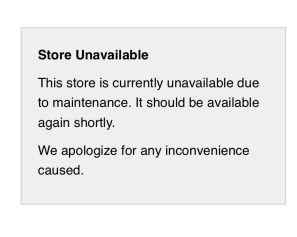
I’m not sure what this means, but am hoping that it really does mean that it will be available again. I purchased a sample box of items from this Cedar Rapids, Iowa company some years ago at a “Prepper Expo”, along with samples from Wise and one other, larger supplier of emergency foods. The food items from Gluten Free Emergency Kits have been much more ‘real’, organic and GMO free, with less extreme salt, and no chemical preservative taste, while still maintaining a 25 year shelf-life. It looks like I will need to order sample items from a few more companies before deciding if any are worthy of a bulk purchase.

Wishing you plenty of strength and abundant energy.

Beginning Anew

January 5, 2018

This new year started out with the spectacular, Super Wolf Moon.

Last year at this time, I had just arrived in Cleveland to stay for six weeks with my sister as she dealt with her newly diagnosed cancer. I am pleased to be able to report that after less than twelve months of excellent care by the Seidman Cancer Center, she is free of all cancer and is now living her life pretty much the way she had been, prior to the highly unpleasant episode.

The trip had prevented me from doing the usual things that one does in January and February to prepare for the next cycle of growth in the garden. Once I had returned to my home in Minnesota, my late plotting and planning began. I went through all my old seeds, packets that had been collected and unused for too many years. What did I think I wanted to grow, and how much?  Would I be planting for daily eating or for putting-up and storing as well? What seeds should I plant indoors in advance of the last frost date, and how early did they need to be planted? I placed a nice big order with Baker Creek Heirloom Seeds, including a number of seeds that were not likely to get planted that season, just because I couldn’t resist.

There was the plotting of the garden beds. The previous autumn, my husband and I had dug up another patch of lawn to put to vegetable growing. It was still in need of the arranging and placing of my pseudo-square-foot-garden, semi-raised beds. On paper, I tried to envision how many beds would go into the new section.

Once I’d figured out how many beds I would have in total, it was time to determine which items were to be grown in which beds. Unfortunately, most parts of my vegetable garden receive a fair bit of shade at some point during the summer days, so there was that to keep under consideration.

The more confusing aspect was to attempt to plot out three years in a row, using a three-year-crop-rotation plan while also figuring which plants were best companions with one another. All the while trying to assure that light requirements were met for each grouping. It was a dizzying several days, but eventually it seemed to be under control. One thing I discovered in the planning was that there still would not be enough room for everything I wanted to grow. I would have to restrain myself.

When my most beautiful and beloved Sugar Maple had been removed the previous September, I had asked the tree trimmers to please leave the large limbs and cut them into approximately six and three foot sections. When the ground had thawed, I pains-takingly placed the maple logs in a workable configuration, then within the confines of the new beds, forked up the existing soil, added new top soil and what was left of our big sheep-poo haul from two years prior.

Seeds were planted, seedlings transplanted, and marsh hay from the garden center was spread around to keep the moisture in and the weeds down. Things began to grow and for once I had a few handfuls of pea pods to add to salads. As usual, some things did better than others. I tried to analyze what possibly caused one thing to do poorly and another to thrive.

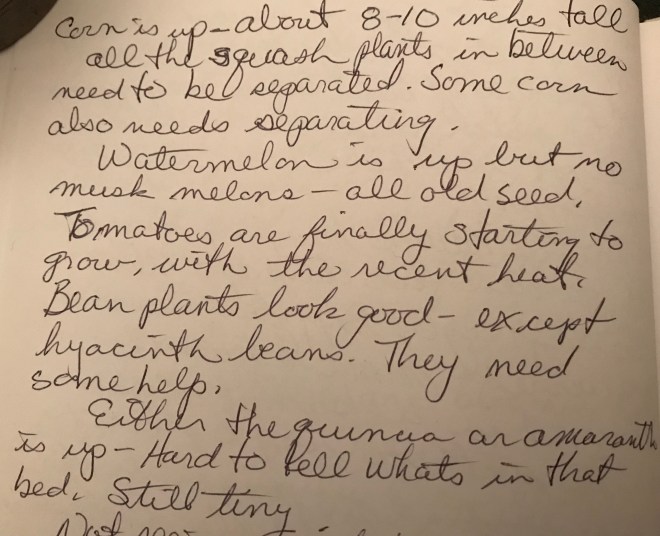
I had promised myself to take better notes last year than I’d managed in the past. What was planted, where and when. When things popped out of the ground and when they bore fruit and ripened. How the light and shadows played out in each section throughout the days and the season. Everything was coming along fairly well.

fullsizeoutput_11de

Then my husband fell fifteen feet out of a tree. We won’t talk about why he was up there, that would be a story for another blog, one about miracles. Everything changed in an instant, but I’m so pleased to say that, though he crushed his spine and suffered a Traumatic Brain Injury, he is doing amazingly well and has in fact been clearing light snow from the driveway. It truly is a miracle.

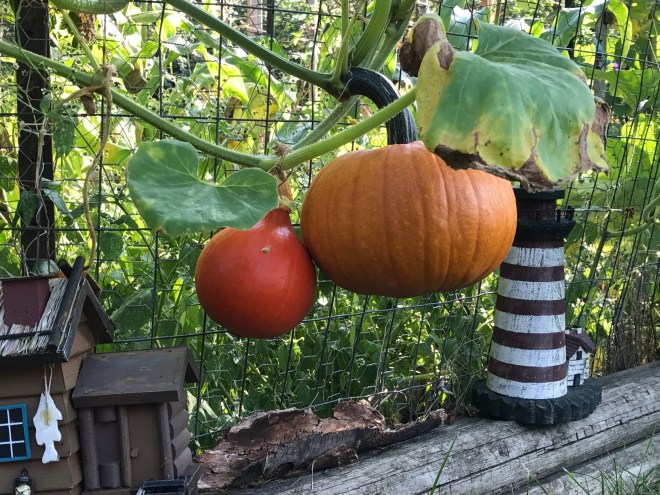
In the meantime, the garden took a back seat. There was not much of a harvest and the only notes I kept for months were a daily diary on the Hubster’s condition.  Now that he is up and walking and on dish-duty, I have been able to catch up on some things. At long last, all the odd seeds from the 2017 garden, hanging out at the end of the kitchen counter have been separated, packaged, labeled and put away. The pumpkin has been peeled, cubed and frozen, with some seeds tucked away while the rest wait to dry a bit before becoming pepitas.

And now it is time to begin the whole cycle again. I will try not to look at any seed catalogues, as there are plenty of seeds to work with already here. I will not need to plan for, nor build any new beds. Fortunately, I was able late last fall, to clean up and cover all the beds to prevent disease and spring weeds, so once it is time, planting should be fairly easy, requiring just a loosening of the soil with the garden fork and a hoe. I will plot everything out early and be ready to plant seeds indoors within the proper time parameters and under the new light set-up in the basement.

It is a glorious time to think about new beginnings.

Happy New Year and Happy Gardening!

fullsizeoutput_11d7


About the Farmer

fullsizeoutput_eb1
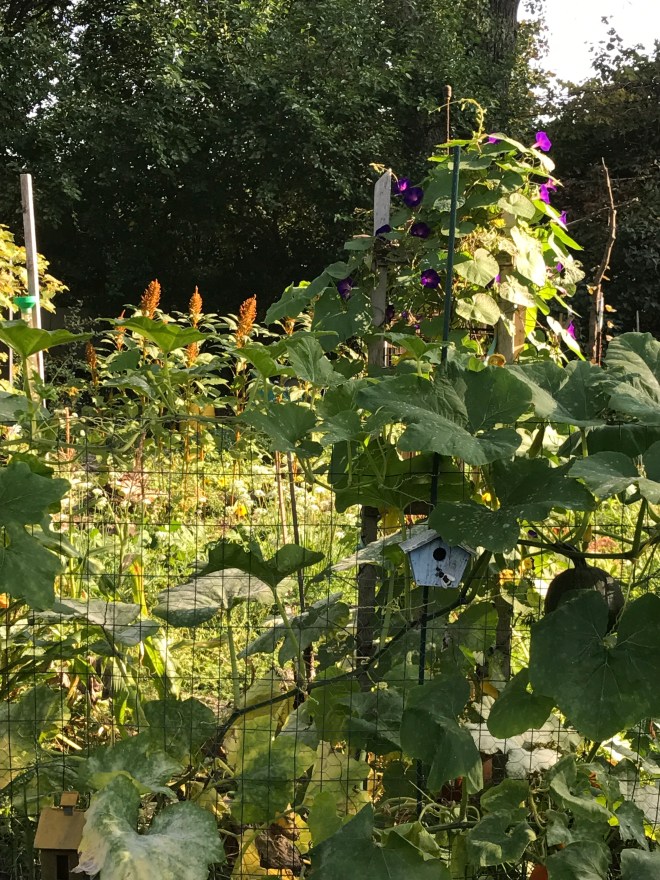
Squash and Pumpkin

As a young girl, my family would go for weekend drives in Pennsylvania, where we lived at the time, to walk along some creek or through some natural areas. Along the way, the car windows would be open and whenever we passed a farm – there were many – I would take a big whiff of “country air” (the delightful aroma of animal manure) and think it was just the most wonderful smell.

I loved the sight of those old farms, with their wooden barns and brick silos; cows, horses,  pigs and sheep standing in pasture or in corrals. All the neat rows of corn and other crops, draped over the picturesque Pennsylvania hillsides; with a farmer in a straw hat, sitting on an old tractor, tilling the soil.

I wistfully imagined myself living on one of those farms, playing with cats in the barn, or tending to chickens and goats.

Truth be told, I’ve always been a night owl and anyone who knew me in my younger years was well aware that I was not farm material. Not one to put up well with inclement weather, and certainly not to get up in the wee, dark hours of the morning to do laborious chores. I was a skinny little thing, with weak wrists and the complete opposite of a robust constitution.

But my romantic notions of farming have persisted. When I first met my husband, we were walking across an icy Minnesota lake in winter and I suddenly had a vision of him as a farmer and of us living in the country on a small, organic farm.

Turns out, I’m actually from some serious German farming stock, going way back on my mother’s side. My mother would spend her summers with aunts, uncles and cousins on her grandfather’s farm in Laddsburg, Pennsylvania. One summer, when we were visiting other relatives out east, my mother decided she wanted to try once again to find that farm, which she had not visited in many years.

Laddsburg is basically a crossroads, just south of New Albany.  We wiggled around on old country roads and finally found the Laddsburg cemetery where we also found many old family names on crumbling tombstones.  My mother had tried in the past to find the farm itself, with no luck, and was determined to find it this time. Which she did. I met a distant aunt and uncle and was given a tour of the cow barn, after which we went into the house and had fresh, raw, cow’s milk. I will never forget that trip.

There’s one old, black and white photograph of my great grandfather, who had built that farm in the 1800’s. He’s standing in a field, between rows of large cabbages, leaning on a hoe. My mother told me that when he got older, he was no longer able to unfurl his fingers because  they had essentially frozen in position, as though permanently wrapped around that hoe. Although I never met the man, I think of him whenever I am out, hoeing between rows in my garden.

I now live in Saint Paul, Minnesota, in a modest home with a lovely, big yard. There was nothing at all adorning the yard when we first moved in and I spent years building up perennial beds, putting in ornamental bushes and digging up a bit of a vegetable garden. I am strongly opposed to using chemicals, especially synthetic ones. After a few  gardening attempts, I realized that growing my own food, especially organically, is not so easy as I had imagined. It’s fun to think that you can drop a seed into the ground, feed and water it, pull a few weeds and then harvest great quantities of good, fresh food.

I gave up for a while, because the Saint Paul Farmer’s Market, so close to my home, offers only locally grown produce in abundance and without the headaches of trying to figure out who’s eating my cabbage, why my tomato plants are wilting, what that white or rust colored stuff is all over everything, how to keep ahead of the creeping charlie and other profuse ‘weeds’ and so on.

I have been paying very close attention to the issue of climate change for a couple of decades now. I regularly read articles about what to expect as the globe heats up and it’s been pretty clear to me lately, that many of the things scientists have been anticipating are coming to pass. The steady weather patterns we have taken for granted for so many years, are changing considerably. As Katherine Hayhoe calls it, we are now experiencing “Global Weirding”.

Frequently these days, I read articles that indicate that what scientists anticipated happening at the end of this century, are either already happening, or are now expected to happen by 2030, or 2050, or 2080, depending on what situation is being talked about. In other words, changes are happening faster than scientific models were predicting just a couple of decades ago.

With this in mind, I decided about three years ago, that it would be a good idea to learn how to grow my own food for real. Because as the weather becomes less predictable around the globe, it will be more and more difficult for ‘big ag’ to do what they have always done, in part because they are destroying the soil the crops are grown in, turning it into a chemical slew. It is my feeling that the best way to feed ourselves in the decades ahead, is to bring the scale of farming way down to a community level and to respect our most precious resources; soil, water and air.

I’ve never been one to follow directions or recipes well, and have always done things my own way. Of course this often translates into “doing it the hard way”. Which means that in this blog, you will likely read about something I have attempted and will wonder why I didn’t use the tried and true method that every farmer has known about forever.

I’m very much intrigued and interested in the concept of Permaculture and also think that there are some benefits to the general idea of Square Foot Gardening, and sometimes think that traditional rows of plants make the most sense. So I combine all these things, using some slightly raised beds, envisioning my entire front and back yards filled with edible plants and picturing chickens roaming about my garden, keeping unwanted bugs off of my plants and hopefully leaving the beneficial ones. (We can keep chickens, goats and pot-bellied pigs within Saint Paul city limits and it has been my desire to include both chickens and goats on my little urban farm. Someone else can keep the pigs.)

I will likely write in more detail about most everything I have mentioned here in my lengthy introduction. It is my hope that as I continue to learn all about this magical cycle of life –  from seed to plant, from plant to plate, from plate to compost and worm-bin, from compost and worm-bin to soil – that perhaps I can encourage others to explore and share their urban farming experiences with me.

Peace and happy gardening.

Elinor